WeChat

FlowBeijing
Launching a Chinese-language website is only the first step. To generate qualified leads, target decision-makers, and establish market authority, your business needs to be found when Chinese buyers search for technical solutions, industrial equipment or specialised services.
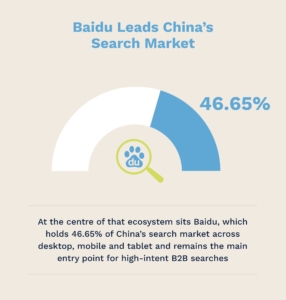
With Google blocked in Mainland China by the Great Firewall, local procurement teams, distributors and corporate buyers rely on a different digital ecosystem to find suppliers. At the centre of that ecosystem sits Baidu, which holds 46.65% of China’s search market across desktop, mobile and tablet (StatCounter, September 2026) and remains the main entry point for high-intent B2B searches.
But ranking on Baidu requires more than translating a Western site. It needs a technical setup and a keyword strategy built around how Baidu works. This guide outlines the key steps to building an effective Baidu SEO strategy for the Chinese market.
Why Baidu Still Matters for B2B in China
With WeChat and other social platforms dominating B2C marketing in China, B2B companies often wonder if traditional search engines still carry weight.
They do, and the answer lies in buyer intent. Social platforms excel at brand awareness and consumer campaigns. But buyers and corporate decision-makers still rely heavily on search engines during the discovery and evaluation phases of the sales cycle.
On Baidu, search intent is directly tied to the keywords a prospect enters, making Baidu SEO an effective way to reach potential B2B leads actively searching for solutions.
Therefore, international businesses need to ensure their brand is visible when prospects actively search for solutions. A strong search ranking builds credibility and drives organic enquiries, creating a sustainable channel for lead generation in Mainland China.
Main Differences Between Baidu SEO and Google SEO
Baidu SEO and Google SEO share one goal: delivering relevant content to users. But they get there in very different ways.
Translating a Western site and reusing Google’s playbook will not rank you on Baidu. The differences sit across five areas: language, infrastructure, ecosystem, crawling and on-page signals.
Here are some key structural differences distinguish the two platforms:
- Primary Language and Scripts: Google operates as a multilingual, global search engine capable of processing many scripts, whereas Baidu primarily focuses on Simplified Chinese. B2B brands must conduct dedicated local keyword research rather than translating existing English content. The terminology used by Chinese procurement officers often differs significantly from direct translations of Western industry jargon.
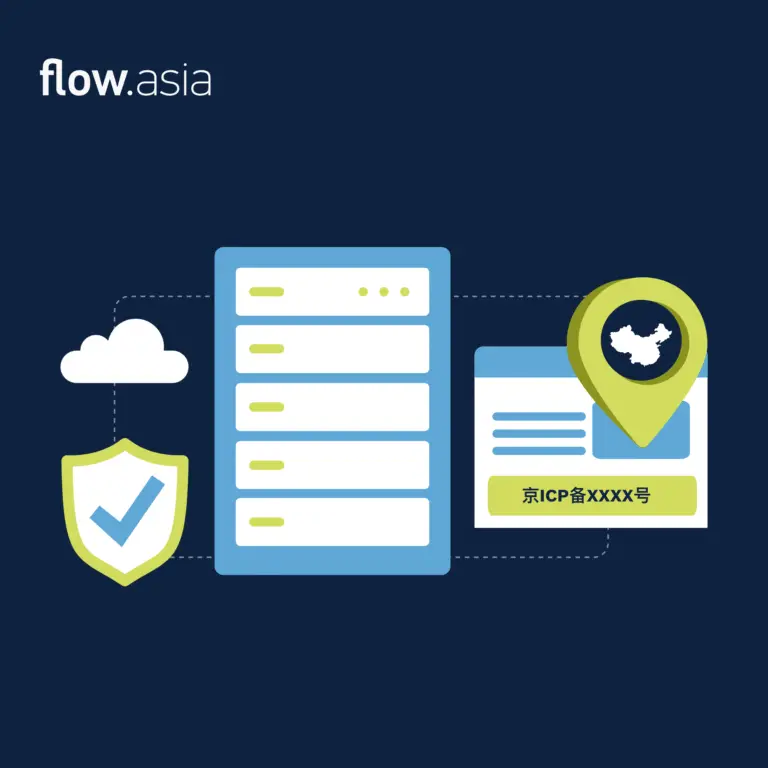
- Technical Infrastructure: Google supports websites hosted on servers worldwide. In contrast, Baidu SEO requires particular attention to website accessibility in Mainland China. Hosting on local servers and completing the relevant ICP registration are important technical considerations for businesses targeting the Chinese market.
- Search Ecosystem: Google directs users across the open web and independent sites. Baidu also features its own platforms in search results, including Baidu Baike (the platform’s online encyclopedia), Baidu Zhidao (a Q&A platform), and Baijiahao (Baidu’s content network).
- Crawling and Indexing Speed: Google handles complex JavaScript and dynamic rendering efficiently. Baidu’s crawler (Baiduspider) is slower with JavaScript and strongly prefers flat, static HTML structures.
- Meta Tags Weight: While Google has largely devalued Meta Keywords, Baidu still heavily weighs Meta Keywords and Title Tags during page indexing and ranking.
Therefore, Google SEO and Baidu SEO operate on different principles. A strategy that works on Google cannot simply be transferred to Baidu without adaptation.
Succeeding in the Chinese market requires international B2B brands to move beyond simple translation and adapt their technical setup, content strategy, and keyword research to fit Baidu’s distinct requirements.
Technical Requirements for Baidu SEO
Technical accessibility is the foundation of Baidu search engine optimization. If Baiduspider cannot crawl your pages efficiently or your website experiences performance issues due to accessibility or regulatory restrictions, achieving high organic rankings becomes much more difficult.
To maximize crawlability and site performance for Chinese users, companies must implement a localized technical setup:
- Deploy on Mainland China Servers: Once your ICP filling is approved, host the website with a local cloud provider. Alibaba Cloud and Tencent Cloud are the two most common options.
- Remove Blocked External Scripts: Eliminate Western plugins, fonts, and scripts, such as Google Fonts, YouTube embeds, Facebook Pixels, or Vimeo player embeds. These services are blocked in China, and attempting to load them causes the browser to hang indefinitely, severely degrading user experience and page load speed.
- Configure Robots.txt Correctly: Ensure your Robots.txt configuration explicitly allows Baiduspider to crawl essential directories, images, and static CSS/JS assets without unintended access blocks.
- Submit XML Sitemaps Directly: Regularly upload updated XML sitemaps via the Baidu Search Resource Platform to ensure efficient URL discovery and indexing.
The Importance of ICP License for Baidu SEO
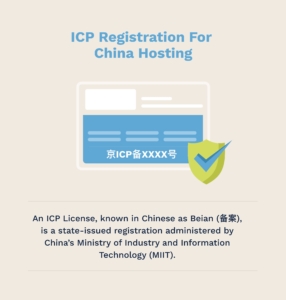
An ICP License, known in Chinese as Beian (备案), is a state-issued registration administered by China’s Ministry of Industry and Information Technology (MIIT). It is a mandatory requirement for any website seeking to host content on physical servers located within Mainland China.
There are two primary categories of ICP registrations depending on the commercial nature of the website:
- Non-Commercial ICP Filing (ICP 备案): Required for standard corporate websites, informational portals, and B2B showcase sites that present product catalogs without taking direct online consumer payments.
- Commercial ICP License (ICP 许可证): Required for commercial internet information services, e-commerce platforms, and websites that process direct financial transactions or subscription payments online.
Without the appropriate ICP filing or licence, a website may not be eligible for hosting on servers in Mainland China. Businesses should confirm the applicable requirements with their hosting provider before launching their website.
While it is technically possible to host a Chinese-language site in nearby regional hubs like Hong Kong or Singapore without an ICP, this approach is highly problematic. Websites hosted outside Mainland China may experience slower loading speeds or inconsistent accessibility for users in China, depending on network conditions and the resources used.
These performance issues can affect the user experience and make it more difficult for search crawlers to access website content efficiently.
On-Page Optimization Basics for Baidu
Once your technical infrastructure and local hosting are established, on-page elements must be structured according to Baidu’s specific ranking guidelines. Effective on-page baidu seo balances clear technical markup with content localized specifically for Chinese readers.
1. Optimize Meta Elements and Title Tags
Unlike Google, which has devalued meta keywords over time, Baidu continues to place emphasis on title tags, meta descriptions, and meta keywords when determining page context:
- Title Tags: Place your primary localized keywords near the beginning of the title tag, followed by a clear brand name. Keep title tags under 80 Chinese characters to prevent clipping in search results.
- Meta Descriptions: Provide concise, informative summaries between 120 and 150 Chinese characters. Descriptions should include core target terms and a compelling value proposition to encourage clicks.
- Meta Keywords: Include 3 to 5 highly relevant target keywords per page. Avoid keyword stuffing, as Baidu penalizes manipulative tagging practices.
2. Structure a Flat Site Architecture
Baiduspider prioritizes efficiency and strongly prefers simple, flat directory structures. Important B2B landing pages, technical product categories, downloadable specification sheets, and corporate contact forms should all be accessible within three clicks from the homepage.
3. Strategic Internal Linking
Internal linking acts as a crucial roadmap for Baiduspider, distributing link equity across your domain while establishing clear topical authority. Always use descriptive, Simplified Chinese anchor text that reflects the specific target keyword of the target destination page. For instance, linking an industry technical guide directly to a dedicated service landing page helps provide context and reinforce the relationship between related pages for Baidu’s indexing algorithms.
Baidu AI Overviews and GEO for B2B
AI is reshaping how search works, and China is at the absolute forefront of this technological shift.
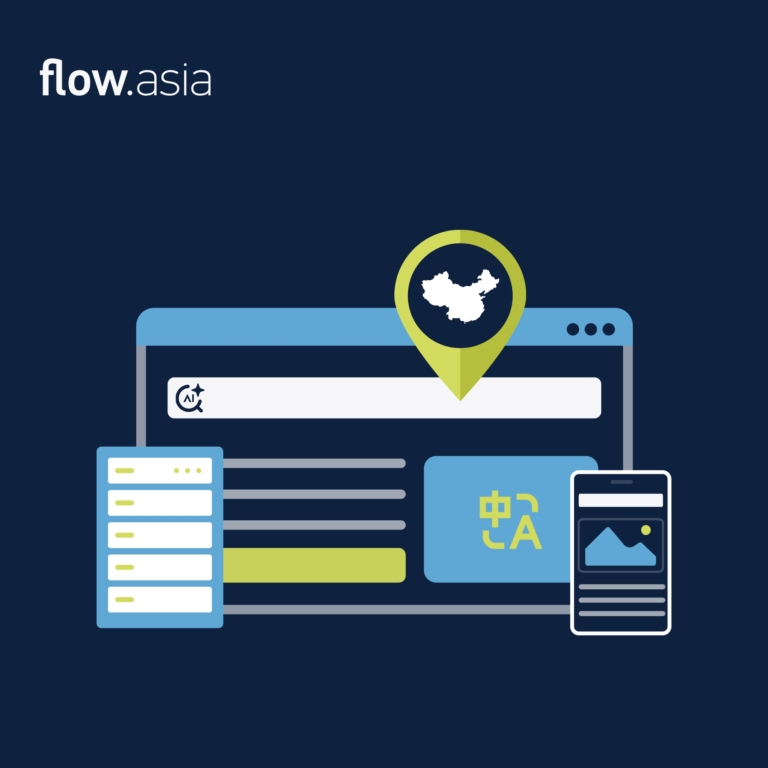
Baidu has integrated its ERNIE Large Language Model into the search platform, changing how Search Engine Results Pages (SERPs) look and how answers reach users, often before they even click a link.
The Growth of AI Content in Baidu SERPs
Baidu has steadily increased the inclusion of AI-generated answer engines, visual summaries, and direct answers across desktop and mobile search environments.
By incorporating advanced generative capabilities directly into the SERP, Baidu synthesizes information from top-indexed pages to answer user queries immediately at the top of the search results page.
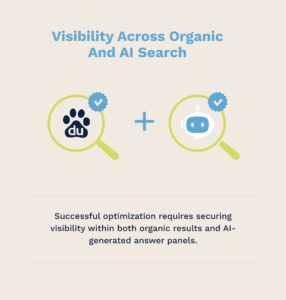
For B2B brands, this shift means Baidu search engine optimization strategies can no longer focus solely on traditional organic blue links. Successful optimization requires securing visibility within both organic results and AI-generated answer panels.
Adapting Content for Generative Search on Baidu
To maintain organic visibility within Baidu’s AI-driven search ecosystem, B2B companies must structure their digital content to align with Baidu’s quality standards:
- Publish Original, Authoritative Industry Expertise: Baidu’s generative algorithms prioritize first-party data, verifiable corporate research, precise technical datasheets, and unique operational insights over generic commentary.
- Adopt Clear Question-and-Answer Formatting: Structure key landing pages and knowledge hubs to directly answer common industry queries. Using clear headings tags (H2, H3) and direct, reliable answers helps AI models understand and use your website’s content.
- Maintain Topical Consistency: Consistently publish content focused on your core B2B sector. Deep topical authority helps Baidu’s knowledge graph recognize your domain as an authoritative source within your specific industrial niche.
By focusing on clarity, technical accuracy, and domain authority, B2B websites can improve their chances of appearing in both standard search listings and Baidu’s AI-generated answer panels.
When to Hire a Baidu SEO Agency
Executing a successful search engine optimization strategy in China requires a deep understanding of localized search behavior, technical web infrastructure, regulatory compliance, and Baidu’s unique algorithm requirements.
For international B2B companies expanding into China, navigating these challenges internally can be resource-intensive and prone to technical missteps.
Partnering with an experienced Chinese SEO agency or a specialized Baidu SEO agency provides the strategic expertise necessary to adapt an international presence to the Chinese digital environment. Rather than applying a standard Western marketing strategy, a local partner helps businesses build a digital presence tailored to how Chinese procurement teams and industry clients search for suppliers.
An experienced Baidu Seo agency assists B2B businesses across every stage of market entry:
- Market-Specific Keyword Localization: Conducting detailed Chinese keyword research to identify search terms used by local decision-makers rather than relying on direct language translations.
- Technical Infrastructure & ICP Compliance: Guiding international technical teams through ICP filing registration, local hosting configuration, and the removal of blocked third-party dependencies.
- On-Page and Architecture Optimization: Structuring site hierarchies, optimizing meta data, and formatting Chinese-language content to meet Baiduspider’s crawl preferences.
- Ongoing Performance Monitoring: Utilizing the Baidu Search Resource Platform to monitor indexation, resolve technical crawl errors, and track organic rank performance over time.
Building brand visibility and driving high-intent B2B leads in Mainland China requires a fully localized search approach.
Flow Asia’s Baidu SEO’s services help international B2B brands set up ICP-compliant hosting, conduct Chinese keyword research, and build the content and technical structure needed to improve their visibility on Baidu.
Building a Stronger Search Presence in China
For international B2B brands, effective Baidu SEO requires far more than translating existing English marketing copy or replicating a strategy designed for Google. It demands an integrated approach that combines Chinese keyword research, localized content creation, technical server optimization, ICP regulatory compliance, and an understanding of how Baidu’s search ecosystem is evolving alongside generative AI.
SEO in China should not be treated as a one-time setup. A well-structured Baidu strategy serves as a long-term digital asset that builds corporate credibility, enhances organic brand visibility, and connects your business with prospective industrial buyers throughout their decision-making process.
If you want to improve your visibility on Baidu and reach Chinese B2B buyers when they are actively searching for solutions, talk to our China SEO team. We’ll review your current setup and identify potential quick wins.